MITLTW Socialization in Atambua: Synergy of Watershed Management for Environmental and Social Sustainability
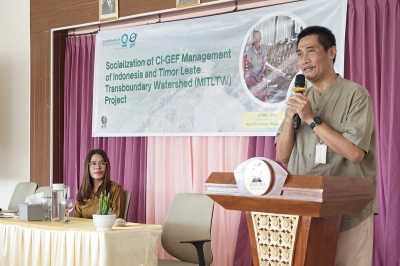
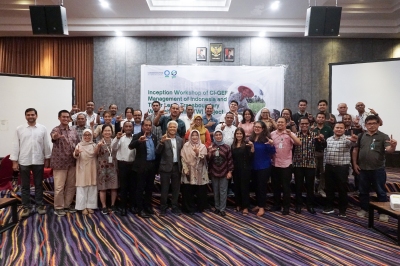
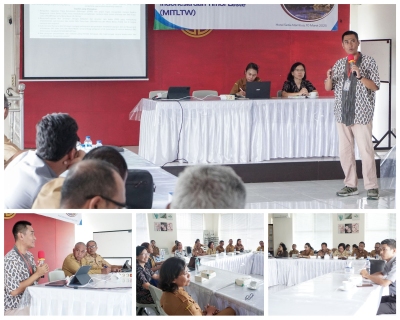
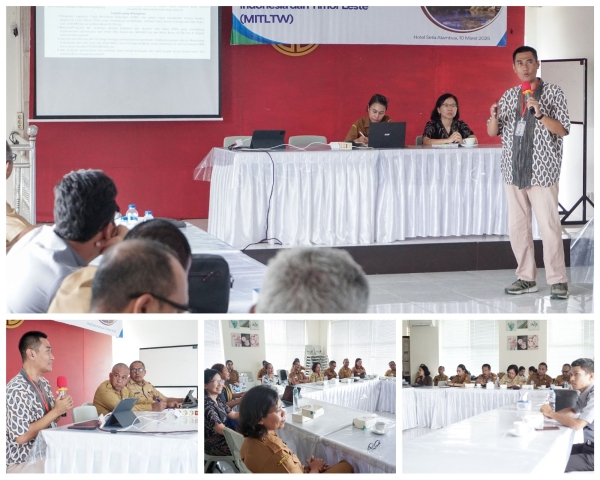
"Water perceives no borders, and neither do the problems that arise from its management." In this spirit, the Belu Regency Government together with various stakeholders gathered in Atambua to discuss the management of watersheds in the socialization of the Management of Indonesia and Timor Leste Transboundary Watershed (MITLTW) project. This activity highlights the importance of watershed governance studies in regional development planning and its impact on the socio-economic community.
Cross-Border Collaboration for Watershed Sustainability
Assistant for Economy and Development Administration of the Belu Regional Secretariat, Marsianus Loe Mau, emphasized that watershed management does not only concern administrative aspects, but also cultural values and inter-community relations at the border.
"We need to think so that in the future there will be no problems related to territorial boundaries and the use of natural resources around the watershed," he said.
With the limitations of the regional budget, he also highlighted the importance of intervention in the food security of communities that depend on land in the watershed area.
Meanwhile, the Head of BP4D Belu Regency, Rene Bere Baria, stated that the environmental study carried out in this project is expected to contribute to the preparation of regional planning documents such as the RPJMD, RKPD 2026, and LKPD Amendment 2025. He emphasized that watershed governance has a wide influence, not only on river flows but also on people's livelihoods. One of the challenges faced is energy needs, where people are still dependent on firewood due to the conversion of kerosene to gas that is not optimal.
Watershed Studies for Evidence-Based Policy Recommendations
Johan Rachmat Santosa, Technical Lead of Inovasi Tangguh Indonesia (InTI), emphasized that the Transboundary Diagnostic Analysis (TDA) study that will be carried out this year aims to ensure integrated watershed governance in the RPJMD and other regional development policies.
"TDA not only looks at biophysical, but also social and economic aspects. Uncontrolled land use can increase the risk of erosion and environmental disasters. Therefore, the results of this study must be the basis for more inclusive and evidence-based regulation," he explained.
He also highlighted the success of the integration of watershed management in village planning in Sikka Regency previously, which was able to secure the allocation of funds of up to 80% for watershed governance.
"This model can be applied in other regions with active support from the community and the Watershed Forum as the main driver," he added.
The Role of Watershed Forums in Policy Harmonization
Furthermore, Johan emphasized that the Watershed Forum plays a key role in ensuring sustainable management of water resources. "The existence of this forum is not only a forum for discussion, but also a link between national policies and local needs. Synergy between the government, academics, and the community is the key so that watershed management not only preserves the environment, but also improves people's welfare," he said.
With the integration of scientific studies and local practices, it is hoped that the governance of cross-country watersheds such as in Talau Loes and Mota Masin can become a pilot model for other regions in Indonesia, including in 8 other transnational watersheds in Indonesia and Timor-Leste and other transnational watersheds in Kaltara and Papua in the future.
"Close collaboration between various parties will ensure that water resources remain sustainable and provide benefits for future generations," said Johan.
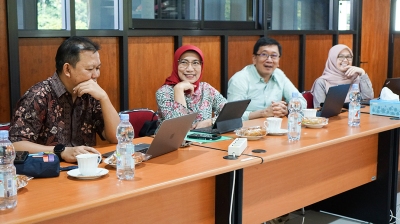
In addition to Belu Regency, the InTI team also received a warm welcome when coordinating in Malacca Regency on March 11, 2025. In a meeting with BP4D and the Deputy Regent of Malacca, the MITLTW project was explained and received a positive response. The Head of BP4D Malacca Regency, Raymon Yani Baria, suggested that InTI establish a Memorandum of Understanding (MoU) with the district government as part of the partnership procedure.
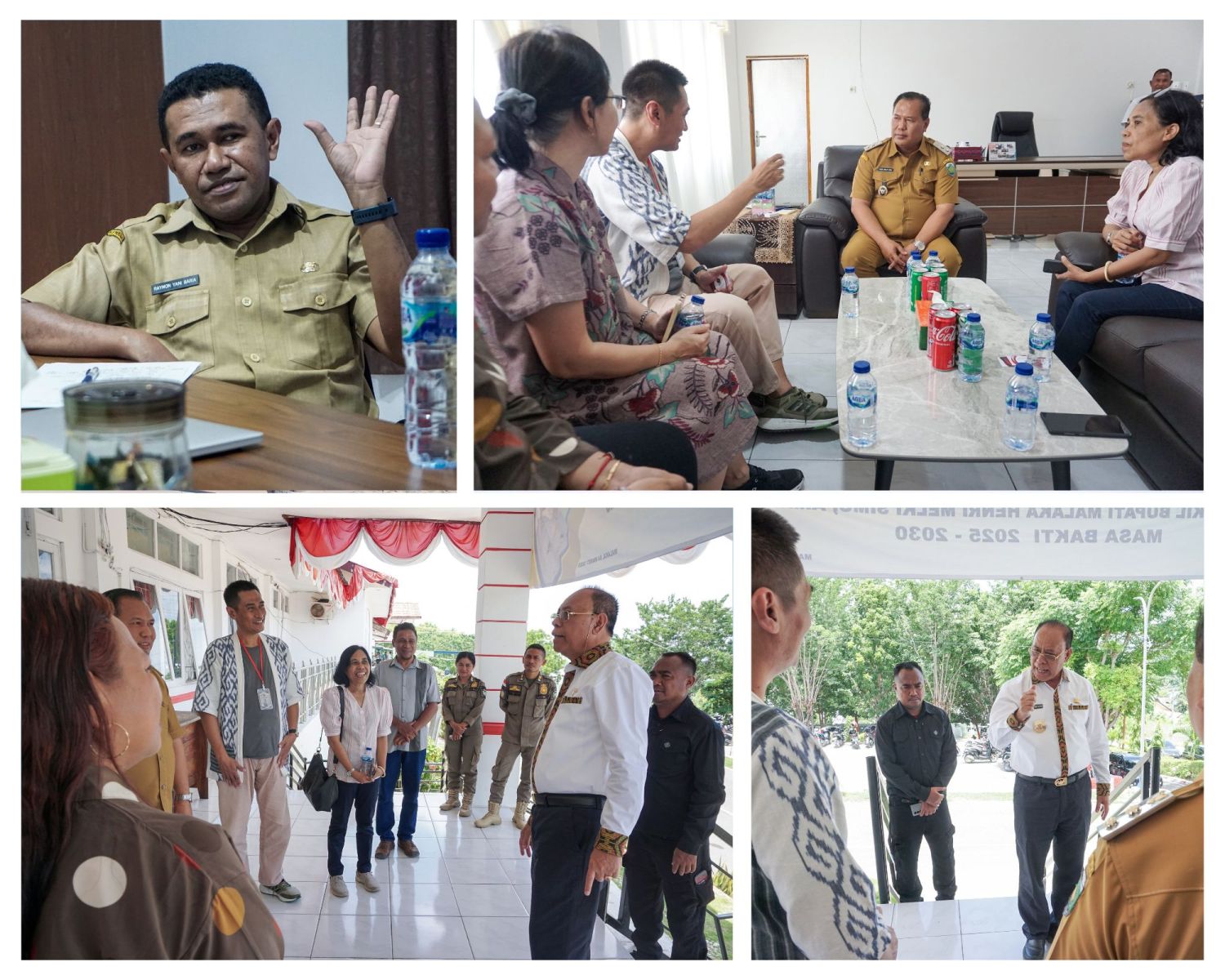 Meanwhile, the Deputy Regent of Malacca, Henri Melki Simu, welcomed the direct coordination with InTI, even opening the door to communication for further coordination. He was also motivated to be directly involved in visits to several villages in the Mota Masin Watershed in Malacca. At the end of the coordination, the InTI team met directly with the Regent of Malacca, Stefanus Bria Seran, and received his support for the implementation of the MITLTW Program in the region.