MITLTW Program Strengthens Indonesia-Timor-Leste Water Security and Ecosystem Management
Yogyakarta, 21 February 2025 – Can Indonesia and Timor-Leste set a new global standard for transboundary water cooperation? The Indonesia-Timor-Leste Transboundary Watershed (MITLTW) Project is working to ensure just that. As pressures on water resources continue to grow, this initiative is taking decisive steps to enhance collaborative governance of freshwater ecosystems in the Talau-Loes and Mota Masin watersheds.
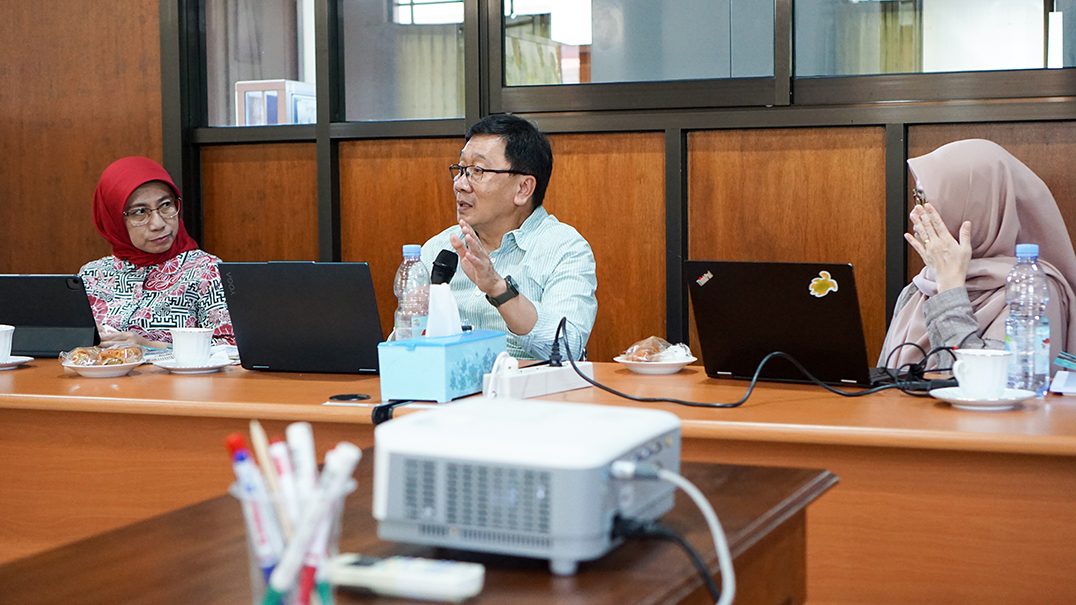
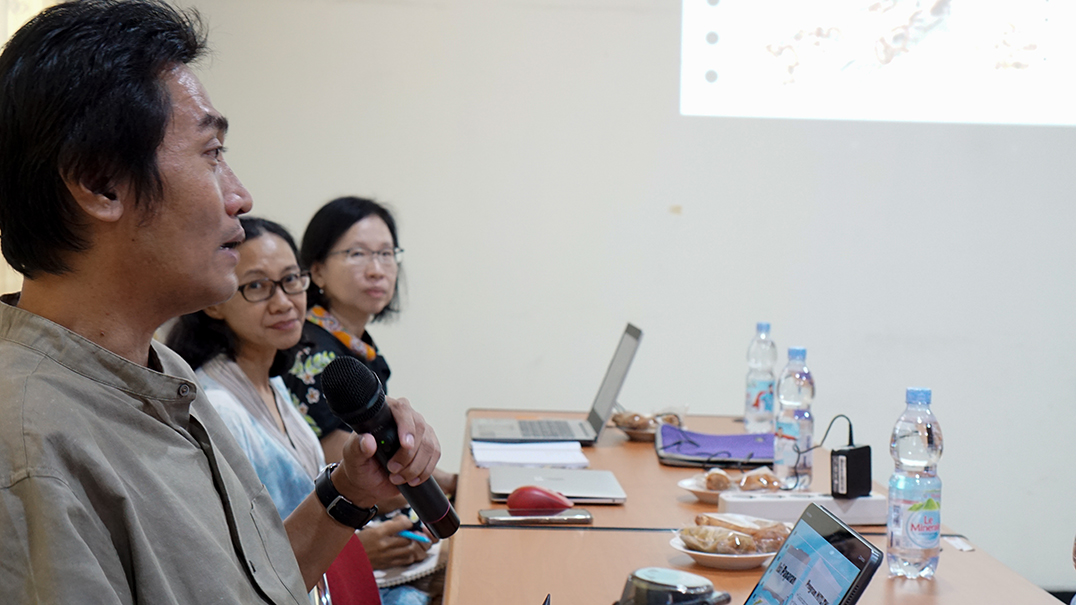
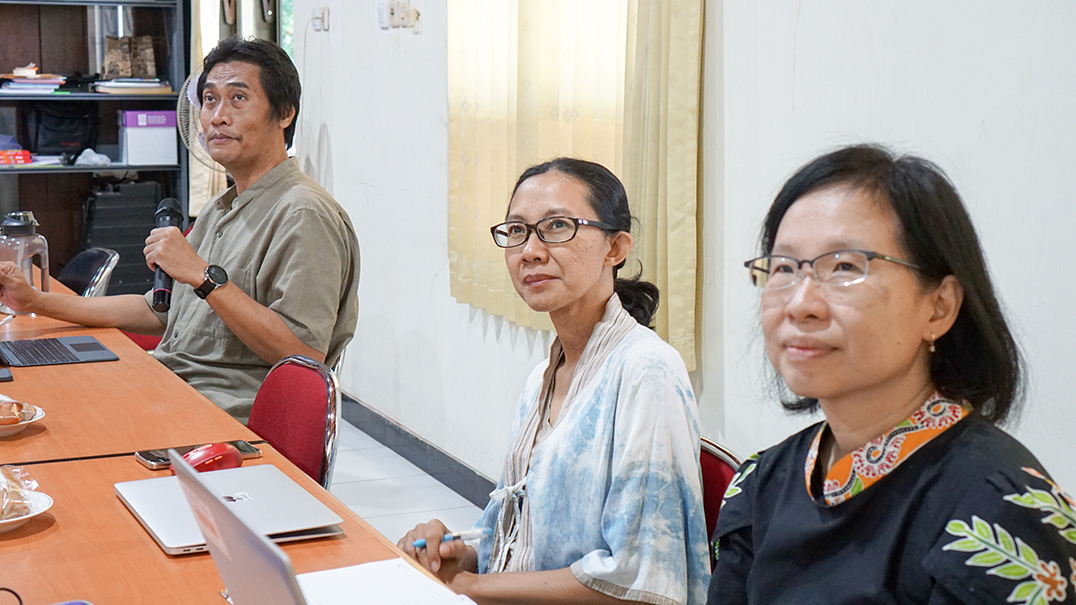
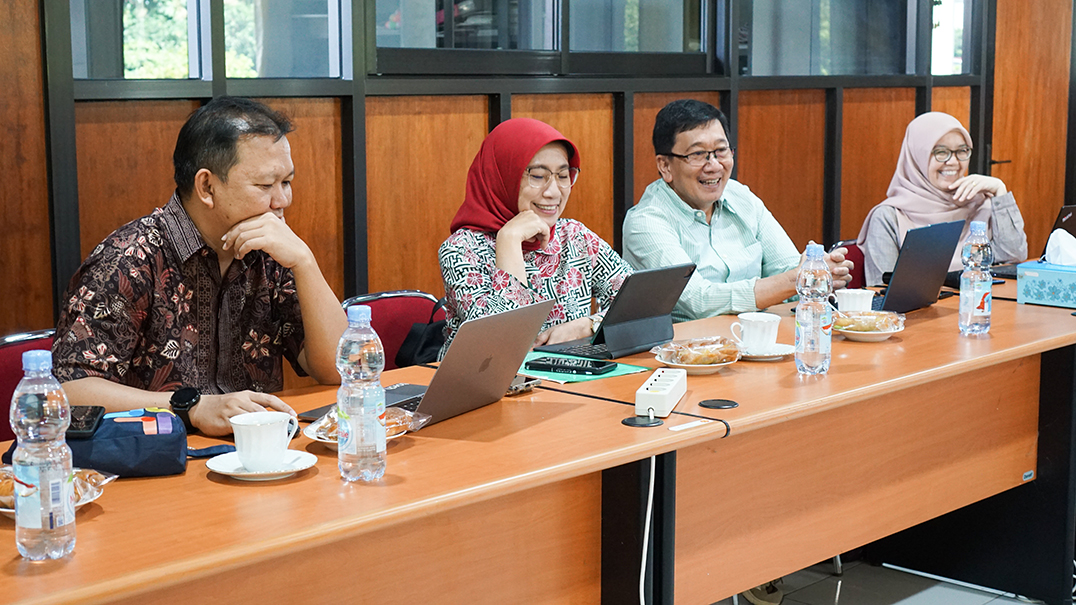
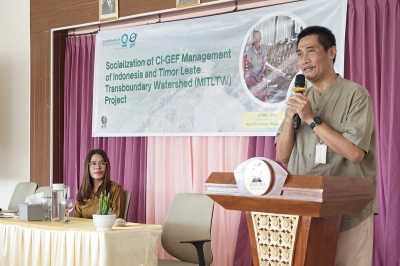
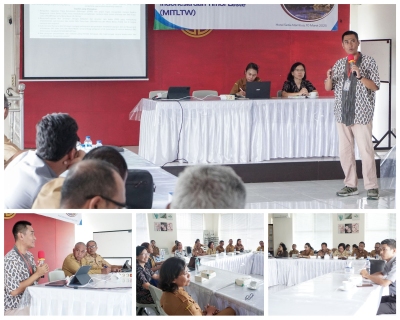
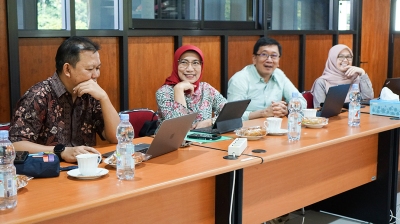
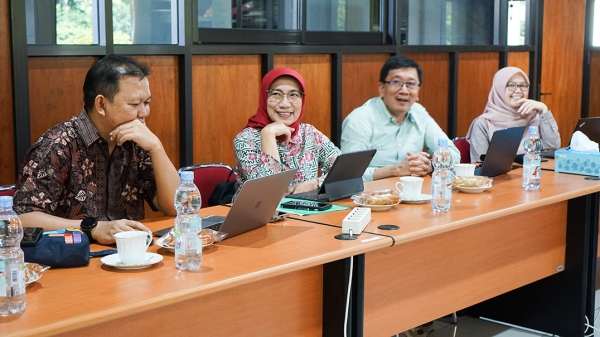
Funded by the Global Environment Facility (GEF) through Conservation International (CI), the 60-month program is executed in Indonesia by the Directorate General of Watershed Control and Forest Rehabilitation (PDASRH) of the Ministry Forestry (Kementerian Kehutanan), in collaboration with Inovasi Tangguh Indonesia (InTI). The initiative aims to safeguard water, food, and livelihoods for communities in these critical transboundary areas while contributing to Sustainable Development Goal (SDG) 6.5.2, which focuses on operational cooperation for shared water resources. In order to ensure a distinguished collaboration, a coordination meeting is conducted between the Directorate General of Watershed Control and Forest Rehabilitation (PDASRH) of the Ministry of Forestry (Kementerian Kehutanan) and InTI at InTI’s office in Yogyakarta.
One of the major focuses of the program is strengthening stakeholder engagement. Transboundary Diagnostic Analysis (TDA) will be conducted in the first year of the program. The TDA results will be used as a basis to develop plan to build the capacity of the Joint Forestry Working Group (JFWG) and community task forces to enhance decision making. Beyond governance, MITLTW is implementing strategic action plans that will directly improve water security, food sustainability, and community resilience in the region. The initiative covers 260,489 hectares in Talau-Loes and 9,236 hectares in Mota Masin, with potential impact across 465,601 hectares. A structured monitoring and evaluation system will ensure ongoing progress and adaptation.
Nurul Iftitah, S.Hut., M.Si., Director of PDASRH, emphasized the importance of collaboration in ensuring the program’s success.
“The role of PDASRH alongside InTI can be further explored, particularly in identifying key stakeholders who should be involved. We also hope that Component 3 of this program can serve as a valuable learning experience, providing insights for future replication in other regions. Additionally, it can be used as a reference for evaluation and policy improvement within the Directorate,” she explained.
As of February 2025, the program has reached several milestones. The GEF grant approval process has been completed by Conservation International, and initial stakeholder mapping and coordination efforts have begun in Nusa Tenggara Timur (NTT). With the MITLTW operational team now in place, capacity-building efforts have started, focusing on governance, financial management, and environmental safeguards.
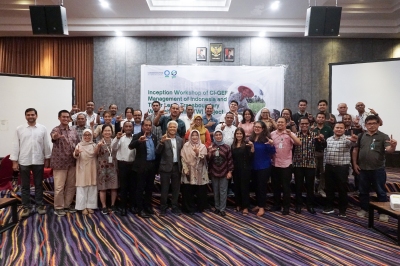
Looking ahead, the program will enter a crucial phase. From February to March 2025, an annual work plan will be developed in alignment with Conservation International’s framework. By April 2025, an Inception Workshop will bring together key actors from Indonesia and Timor-Leste, setting the stage for deeper cross-border collaboration. The following months will focus on stakeholder and policy mapping to establish effective governance mechanisms. By mid-2025, a measure to establish Joint Forest Working Group and community task force to oversee transboundary watershed management, ensuring structured and long-term cooperation will be delivered.
Inclusivity remains a guiding principle of MITLTW. At least 40 percent of government stakeholders and 25 percent of community representatives involved in the program will be women, ensuring that decision-making is diverse and equitable.
As MITLTW moves forward, collaboration and stakeholder engagement will be key to its success. Policymakers, environmental organizations, and local communities are encouraged to take an active role in shaping the future of Indonesia-Timor-Leste’s shared water resources. Through joint commitment and innovative strategies, the program has the potential to become a model for transboundary water governance worldwide. (InTI)